

Today’s newsletter could have been just these 4 pictures 😁 but the weekend wrap up had more in store for you guys.
Happy reading. Happy sleeping for me after this legendary Saturday 30th 2026. Happy Mother’s Day.


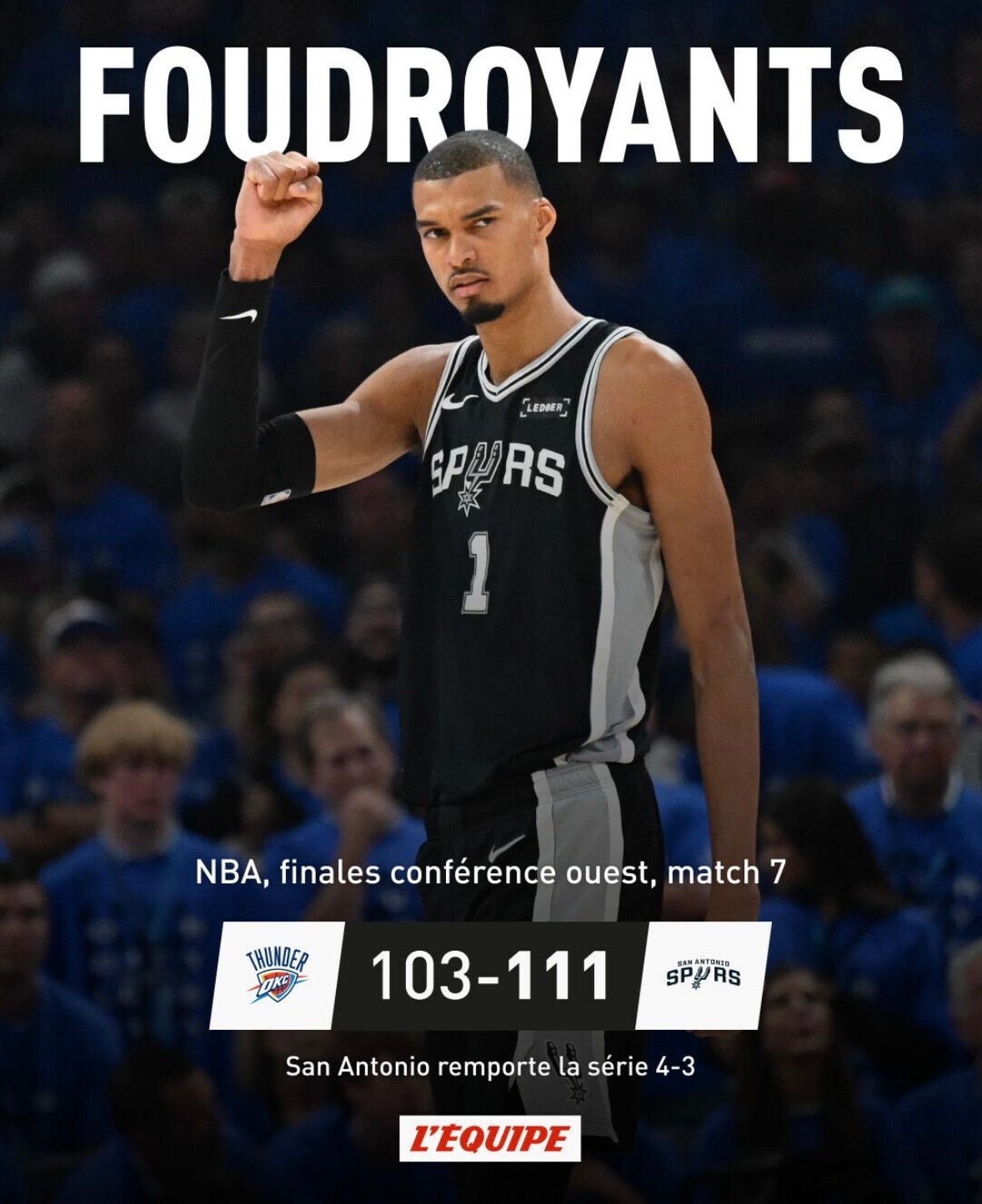

🇬🇧 Off to The Shard
Building a streaming business in Europe on your own can be expensive, slow and even risky, particularly in markets you don’t know well. Partnerships change the economics, which is why I’m moderating two sessions at Rakuten TV Enterprise LIVE London on June 9th.
→ A conversation with Ryan Donovan (Sony Pictures Entertainment) and Marcos Milanez (Rakuten TV Enterprise) on how a major studio like Sony leans into FAST and what that opens up for advertisers wanting to align with high-quality, lean-back viewing.
→ A session with Chris Gregory (Samsung TV Plus), Natalie Boot (Media Choice), James Meyer (Radial Entertainment) and Chris Edwards (Rakuten TV Enterprise) on OEM alliances, strategic data sharing between platforms and operators and where the real revenue opportunities are landing right now.
Plenty more across the morning, including Maria Chacon Brito‘s “Under the hood” session revealing what Rakuten TV viewers actually watch.
Fancy joining? We start at 9.30am, June 9th at Shangri-La, The Shard. Reach out at rtv-events-team@mail.rakuten.com to get in.

📲 France Télévisions commissions its first vertical format
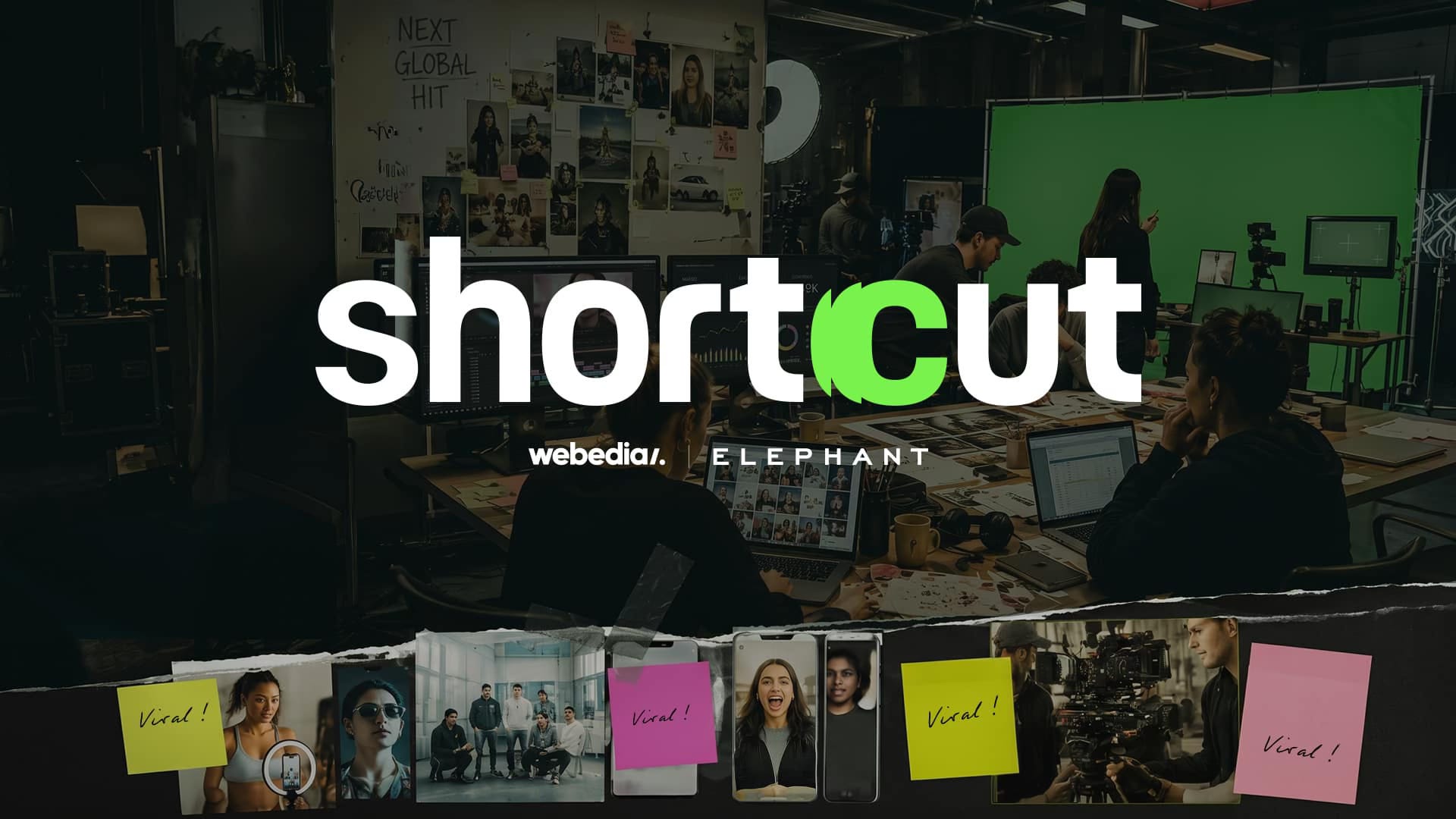
Webedia-Elephant unveiled “Shortcut” at its annual After Show this week, a new in-house unit dedicated to vertical fiction in 9/16 format, working across all its production labels.
First project out the door: Le Magasin, a 23-episode scripted series produced by Elephant International for France TV, launching on France Télévisions’ social networks by the end of summer. Two and a half minutes per episode, two leads (Zoé Pinelli and Siméon Ruff) and a long list of French creators playing themselves in the audiovisual storeroom of a fictional production company.
Webedia-Elephant CEO Christian Bombrun doesn’t want to miss the boat on the vertical video boom but unlike other players like RoseBerry and HOLYWATER (who are betting on AI-assisted production of licensed or repurposed IP), Webedia’s bet pairs a production powerhouse with a public broadcaster and the creator economy.
Three questions remain:
→ Scalability: Can Shortcut produce at the volume and cadence vertical formats require, with the right economics without using AI?
→ Distribution: Le Magasin launches on France Télévisions’ social networks. Can the show break out beyond their social accounts?
→ The creator question: The launch buys attention by putting creators on screen. Whether the format holds without that creator-economy crutch is the test of vertical fiction as a real format rather than a one off stunt.
🎥 Build it right, beat Amazon
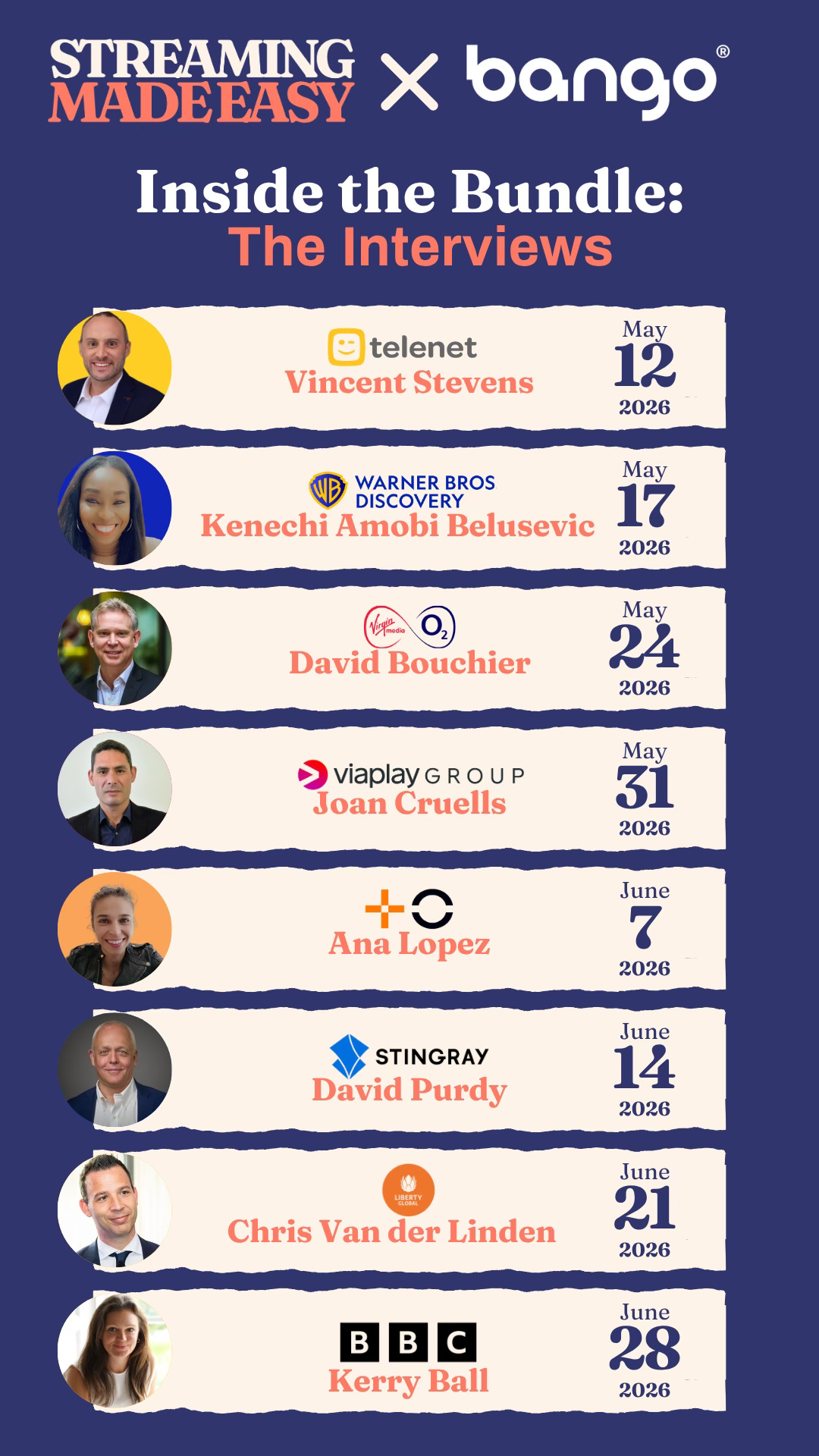
For episode 4 of Inside the Bundle: The Interviews, Joan Cruells, VP Partnership & Growth at Viaplay, makes a bold call. Aggregation isn’t won by category. It comes down to the platform itself. A broadcaster running on free-to-air logic will never get there. A broadcaster building a real streaming product can stand alongside Amazon, no reason why not.
We also get into why Viaplay is leaning harder into bundles in international markets (great content, smaller marketing machine, crowded shelves), what Bango’s data on indirect subscriptions tells us (over a third of sign-ups now happen through aggregators) and why one-click in is only half the story. One-click out matters just as much because the serial churners always come back.
Watch the full episode here:
Previous episodes: David Bouchier, Kenechi Amobi Belusevic, Vincent Stevens.
Coming next: Ana Lopez from Orange.
🎙️ Skip the 18 months
Most studios spend 18 months developing a pilot. ToonStar drops new episodes every week, adjusts runtime based on what viewers actually do and just crossed 10 billion lifetime views on its breakout show StEvEn & Parker.
This week, Evan Shapiro and I spent time with co-founders John Attanasio and Luisa Huang to get into how. The short version: two in-house tools, Ink & Pixel (AI-driven production speed) and Spot (audience signals feeding the writers’ room), turn every episode into a live test. Cadence, length, character arcs all flex on data. On the traditional studio deal, Luisa’s line lands hard: “They hold your time hostage.”
If Evan’s recent kids ecosystem report made you think the genre was struggling, think again, ToonStar is crushing it.
👉🏻 APPLE PODCASTS | SPOTIFY | YOUTUBE | DEEZER with more platforms here.
👶 Kids YouTube grows up
LUMEE, the ad sales joint venture between Hasbro Entertainment and Animaj that launched in February, just landed its first third-party client and not any client: Disney Advertising 🔥
The deal puts LUMEE in charge of Disney’s Made-for-Kids YouTube inventory in the US, covering 65 channels. The combined LUMEE inventory now spans Peppa Pig, Pocoyo, Transformers, Power Rangers, Maya the Bee, Star Wars Kids, Marvel HQ and more, generating over 100 billion YouTube views in 2025.
Since 2020, targeted advertising on Made-for-Kids content has been disabled in the US under the Children’s Online Privacy Protection Act, which gutted the economics of kids YouTube overnight.
LUMEE’s pitch to advertisers: contextual COPPA-compliant placement with video-by-video visibility, in-video signals (a toy truck in the scene triggers a toy truck ad) and a reservation media model similar to YouTube Select.
Let’s not forget to note the Disney posture shift behind this deal. For years, the major studios treated YouTube as either a marketing channel or a competitor. Handing a Hasbro-led JV the right to sell against Star Wars Kids and Marvel HQ inventory is a clear sign that Disney is prepared to do more on YouTube provided the economics are there.
Read the full announcement on lumee.io.
📺 Roku revamps the home screen
When I was at Roku, the home screen was sacred. App tiles in a grid, a few shortcuts on the left nav bar and that was it (despite partners telling us it was so ugly 😬). Roku was staying clear of the content first approach fellow CTV platforms embraced. Through the years, Roku added multiple entry points like Sports Zone but nothing substantial on the overarching look and feel.
This week, that decade-old layout got its biggest overhaul yet but it’s not so much about the look and feel (although seeing a content first rail is a big change for them) but more about how the Home Screen is adapting to viewers.
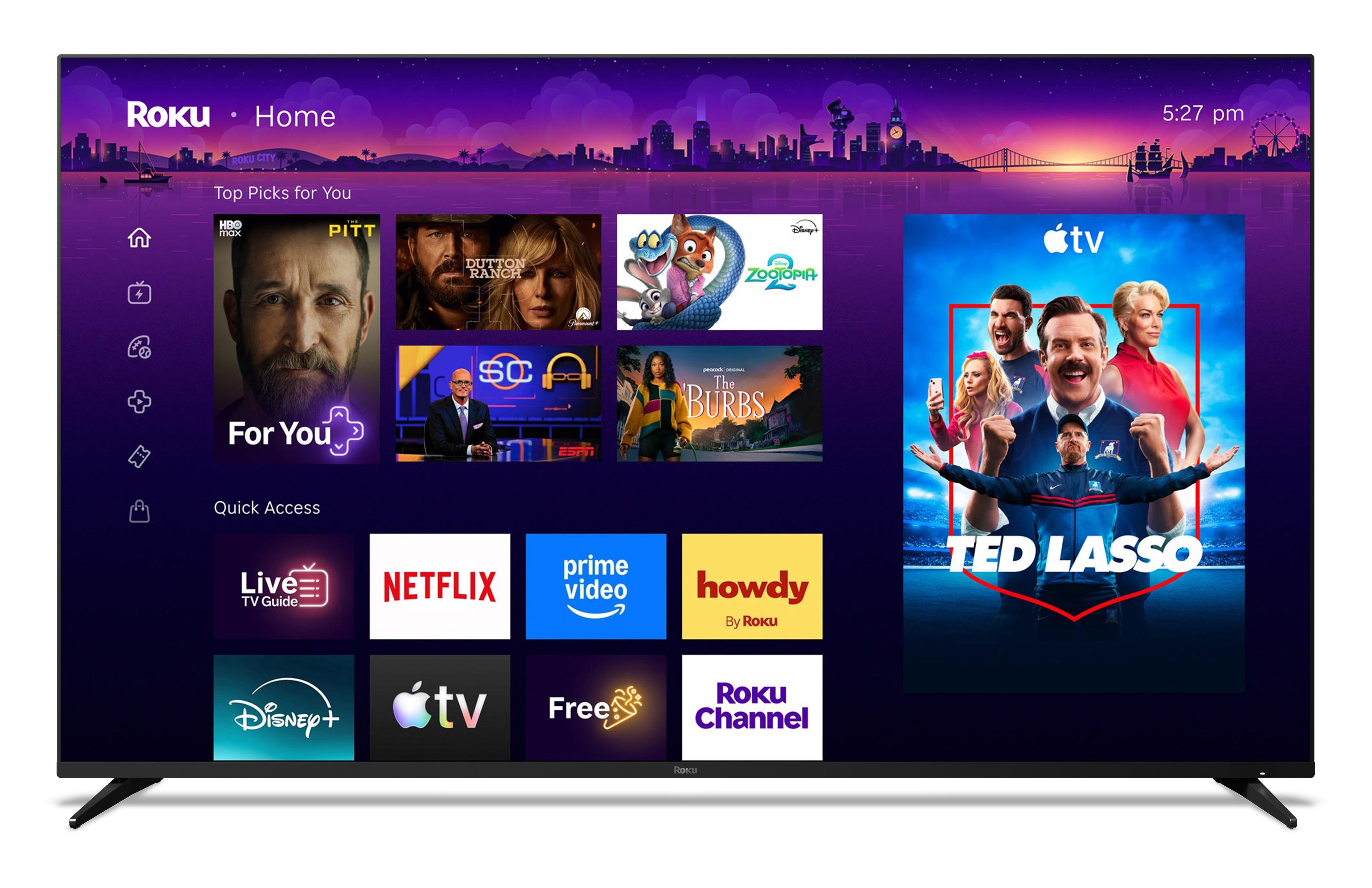
What’s actually new: a content-first “Top Picks for You” row up top with AI-driven recommendations, a “Quick Access” rail that learns which apps you actually use, “Destinations” hubs that bundle content by genre and mood across the platform (including a Subscriptions destination that surfaces content from every paid app you have), a real-time “Daily Scoop” row tied to cultural moments (premieres, viral hits, celebrity beats), a collapsed navigation menu (that’s a big change, the left nav bar was again sacred) and an interactive Roku City tile.
A few threads worth pulling. The biggest shift is content-first, not only app-first. Roku’s grid of app tiles defined the CTV home screen for a decade. The Subscriptions destination does similar work on the other side: it puts every paid app, including Howdy and the 70+ partners on Roku’s Premium Subscriptions roster, one row away from the watcher who already pays for them.
The question is whether intelligence can do what simplicity used to. Roku doubled its base from 50M to 100M households on the back of being the easy answer. The next 50M will not be that easy and ARPU is still stuck around $40, $10 below the original 50$ goal. The home screen is the highest-traffic inventory in streaming. If this redesign moves ARPU even $2-3 over the next 18 months, it pays for itself many times over. If it doesn’t, the Home Screen overhaul story gets much harder to tell.
Read the full Roku announcement.
That’s it for today but before you go: